


How Immersive Exhibitions Are Redefining Historic Event Spaces
There is a moment of stillness when you walk into an old building—a cathedral, a repurposed factory, a grand hall from a bygone century. The air feels heavier, carrying the weight of the years. Traditionally, these spaces demand reverence and quiet observation. You look at the architecture; you don’t necessarily interact with it.
But recently, that dynamic has shifted. We are seeing a global surge in immersive exhibitions, where light, sound, and digital artistry take over physical environments. At first glance, there might seem to be a tension here: the friction between ancient stone and cutting-edge projection, or between the stillness of history and the motion of modern storytelling.
Yet, rather than clashing, these two elements are finding a profound harmony. Historic venues are proving to be far more than just backdrops; they are becoming essential characters in the narrative. They are not obstacles to be overcome by technology, but ideal canvases that deepen the impact of immersive art, bridging the gap between the past and the digital present.
Why Historic Venues Are the Perfect Setting
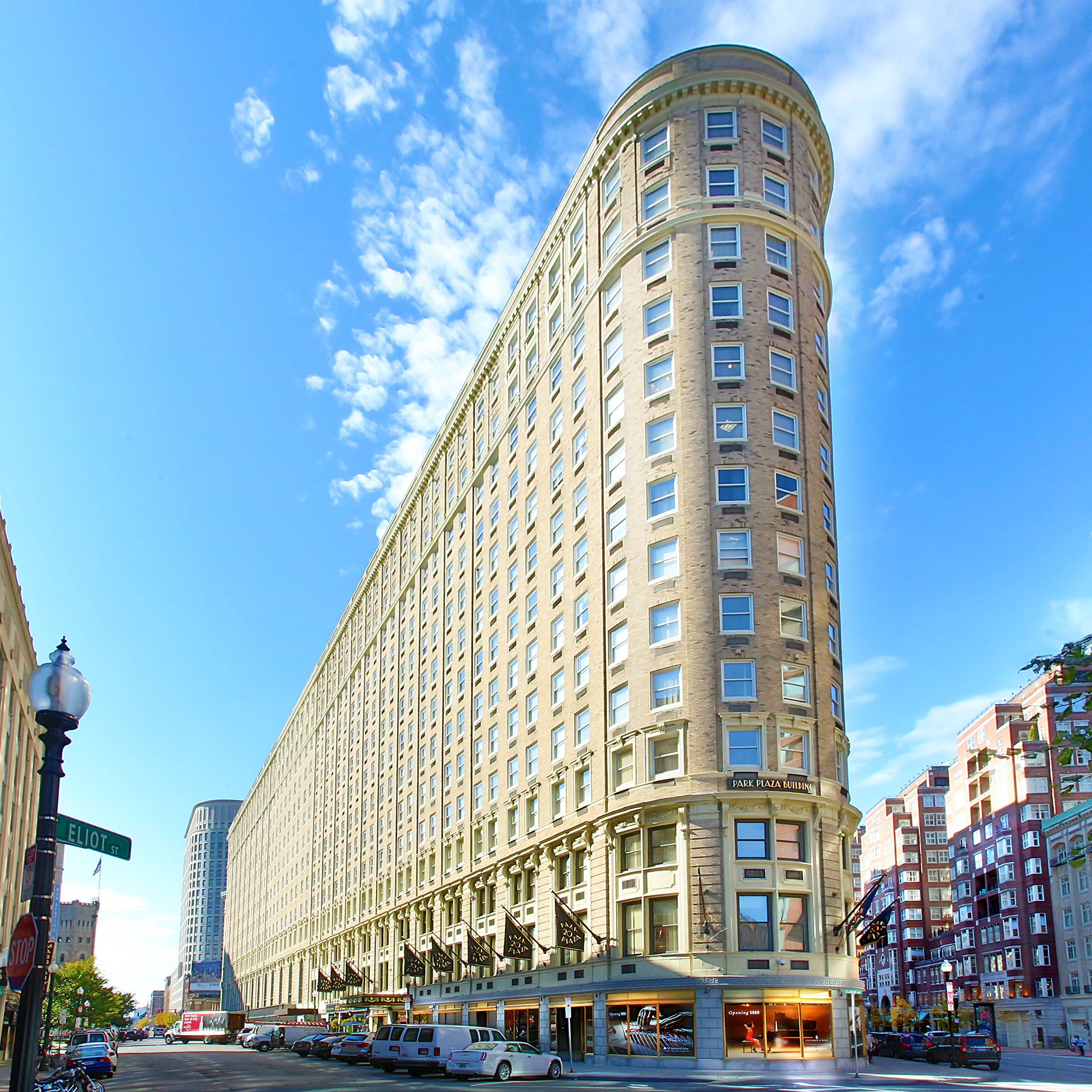
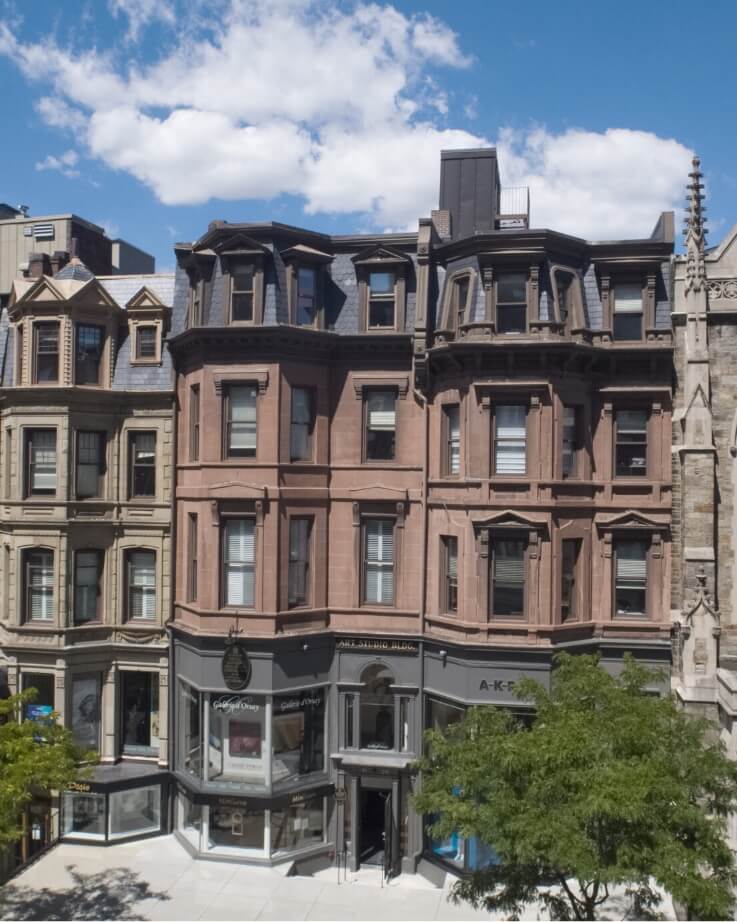
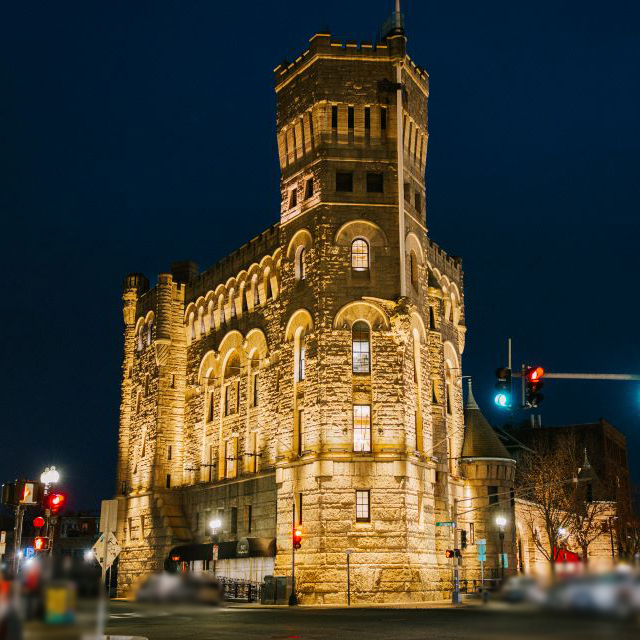
There is a reason why seeing a digital art installation in a sterile “black box” studio feels different from seeing it inside a 19th-century foundry or a gothic revival church. Historic spaces possess an inherent emotional weight that new construction simply cannot replicate. The peeling paint, the vaulted ceilings, and the worn floorboards all contribute to an atmosphere of gravity and significance before the first projector is even turned on.
Architecturally, these spaces often offer unique advantages for spatial storytelling. High arches and expansive walls provide vast surface areas for projection mapping, allowing digital art to wrap around the audience rather than sitting flat on a screen. The acoustics of stone and wood can amplify soundscapes in haunting, resonant ways that feel organic to the room.
It is the contrast that captivates us. When cutting-edge digital motion meets old-world craftsmanship, it creates a sensory dialogue. The juxtaposition reminds us that while technology changes, the human desire for awe remains constant. Audiences are drawn to these hybrid experiences because they feel simultaneously timeless and contemporary—a grounding connection to history paired with the thrill of the new.
From Static Displays to Living Environments
Museums and historic sites have long relied on the “look but don’t touch” model—artifacts behind glass, velvet ropes, and informational plaques. Immersive exhibitions are dismantling this approach, transforming static locations into living, breathing environments.
Instead of reading about a historical event or an artistic movement, visitors step inside it. Narrative is no longer confined to text on a wall; it guides visitors through the space using cues of light and motion. A sudden shift in color temperature might signal a change in mood, or a directional sound might encourage the crowd to move from the main hall to an alcove.
This format encourages exploration. It turns the passive act of viewing into an active journey. In historic buildings, this is particularly effective. The pacing of the exhibition often mirrors the architecture itself, using the natural transitions between rooms—grand entrances, narrow corridors, intimate side chambers—to pace the story. The building dictates the flow, and the technology enhances it, creating a seamless marriage of structure and story.
Preserving Architectural Integrity While Enhancing Experience
Integrating 21st-century technology into a building that may be hundreds of years old presents a distinct set of challenges. The primary rule of engagement in heritage spaces is “do no harm.” You cannot simply drill into centuries-old masonry to mount a projector or run cabling through protected frescoes.
Organizers and technical teams must prioritize reversibility and discretion. The goal is non-invasive installation—using clamps that don’t leave marks, freestanding trusses that blend into the shadows, and wireless solutions where possible. The technology must serve the space, not scar it.
Visually, the challenge is maintaining harmony. If the equipment is too bulky or the cabling too visible, it breaks the spell. The magic of an immersive exhibition lies in the suspension of disbelief. We want to see the art, not the machine that delivers it. This requires a delicate touch, ensuring that the digital elements enhance the historic finishes rather than obscuring them. The best installations feel as though the light is emerging from the walls themselves, rather than being blasted onto them.
The Invisible Infrastructure Behind the Magic
To make these experiences feel seamless, a robust, invisible nervous system must be in place. When a visitor walks from the entrance hall to the main gallery, the music, the visuals, and the lighting must transition perfectly. There is no room for lag or buffering when you are trying to evoke an emotional response.
This requires centralized content control capable of managing multiple streams across different physical zones. The visuals must be synchronized down to the millisecond, ensuring that a bird flying across a projection on the north wall arrives on the east wall at the exact right moment.
This is where distribution tools, such as IPTV-based systems, quietly play a crucial role. By utilizing existing network infrastructure to distribute high-quality video and audio across complex, multi-room layouts, technical teams can ensure seamless playback without requiring massive racks of visible equipment in every room. It allows for a cleaner aesthetic and reliable performance. Ultimately, the specific technology doesn’t matter to the audience; what matters is reliability. The infrastructure acts as a quiet enabler, ensuring the story flows without interruption.
Why Audiences Respond So Strongly
There is a profound psychological difference between watching a screen and stepping inside a story. In historic spaces, this sense of immersion is amplified. It taps into a sense of discovery—the feeling that you have unlocked a secret world hidden within the walls of the city.
The historic venue elevates the perceived value of the experience. It feels momentous. We are creatures of memory and place; we attach feelings to locations. When an immersive exhibition activates a historic space, it leverages the building’s own memory. The dust motes dancing in the light of a projector feel like they belong to the building’s past as much as the exhibition’s present.
This emotional resonance is what drives the popularity of these events. People are not just buying a ticket to see a light show; they are looking for connection. They want to feel small in a large room, to be surrounded by beauty, and to experience a fleeting moment of magic in a tangible, physical place.
A New Chapter for Historic Event Spaces
For the venues themselves, this trend represents a lifeline and a renaissance. Many historic buildings struggle with upkeep costs and finding relevant uses in the modern era. Traditional event rentals—weddings, corporate dinners—are valuable, but they are limited in scope.
Immersive exhibitions expand the use cases for these venues dramatically. They allow a 19th-century warehouse or a decommissioned bank to host cultural programming that attracts thousands of visitors over a span of months. It democratizes access to these spaces, bringing in demographics who might not typically visit a heritage site or a traditional museum.
By hosting these forward-thinking events, historic venues ensure their long-term relevance. They prove that they are not just relics to be preserved in amber, but active participants in modern cultural life. It allows the building to honor its legacy while simultaneously reinventing itself for a new generation.
Experience as the Bridge Between Past and Present
Immersive exhibitions are not about replacing history. They are about activating it. They take the passive silence of a heritage site and fill it with energy, color, and sound.
By treating historic venues as living spaces rather than preserved artifacts, we allow them to continue telling stories. The thoughtful integration of technology—respectful, invisible, and artistic—creates a bridge between the past and the present. It ensures that history is not just something we remember, but something we can truly experience, feeling the pulse of the past beating in rhythm with the technology of the future.